PLAN YOUR SAFARI

Tell us how you want to experience Kenya.

From classic Big Five game drives to green-season landscapes, active adventures and safari-and-coast combinations, we tailor the journey to your priorities, pace and travel dates.

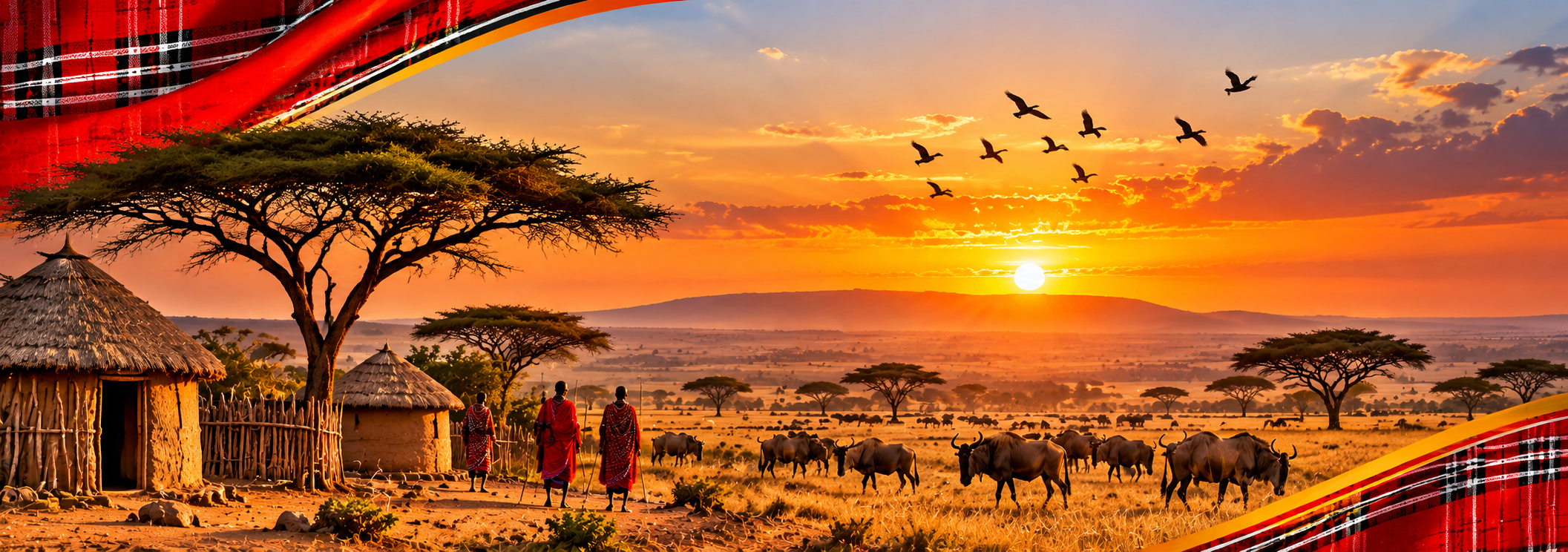
Maasai community and wildlife on the Kenyan savannah at sunset

YOUR KENYA SAFARI STARTS HERE

From the Great Rift Valley to the Maasai Mara, we design journeys around your time, interests and sense of adventure.

Choose Your Safari Scenario

1. Peak Wildlife & Migration Safari

Ideal for travellers who want classic Kenya wildlife experiences. Plan around the dry season and, when conditions align, the Maasai Mara migration period. Expect busy wildlife areas, excellent game viewing opportunities and early starts for the best light and activity.

2. Green Season & Scenic Kenya

Choose the wetter months for lush landscapes, dramatic skies, fresh vegetation and a quieter atmosphere. Wildlife is still present, although sightings can require patience. This is a strong option for photography, birding and travellers who value scenery and lower-season flexibility.

3. Coast & Safari Combination

Combine a wildlife circuit with Diani, Watamu, Malindi or Lamu. A common rhythm is safari first, followed by several slower beach days. Allow transfer time between parks and the coast rather than treating the journey as a simple hop between destinations.

4. Adventure & Active Safari

Build the trip around hiking, cycling, walking, climbing or mountain experiences at places such as Hell’s Gate, Mount Longonot, Mount Kenya or Mount Elgon. These itineraries need realistic fitness assumptions, suitable footwear and extra time for weather changes.

5. Family Safari

Prioritise comfortable travel days, family-friendly camps, shorter drives and a mix of wildlife and hands-on experiences. Build in downtime and avoid packing too many parks into a short holiday.

6. Short Safari / Stopover

If time is limited, Nairobi National Park, Lake Nakuru, Hell’s Gate or a focused Maasai Mara stay can deliver a rewarding Kenya experience without an exhausting itinerary.

Kenya Through the Seasons

January–February: Generally warm and relatively dry in many safari regions, with good conditions for wildlife-focused travel. Coastal areas remain warm and humid.

March–May: The long rains bring greener landscapes, fresh vegetation and changing road conditions. Some remote routes can become slower or less predictable, so allow flexibility.

June–August: Cooler and generally drier, especially in the highlands. This is a popular period for safari and hiking, so peak dates should be planned early.

September: Often a useful transition month with warm days and varied conditions across regions. Mara wildlife experiences can be particularly attractive, subject to natural movement and local conditions.

October–December: Short rains can refresh the landscape. Rainfall varies by region and may arrive as short showers rather than all-day rain, making this a rewarding period for flexible travellers.

Weather Diversity: One Country, Many Climates

Kenya is not one-weather destination. Nairobi and the central highlands can feel cool, especially in the morning and evening. The Rift Valley can be warm by day with cooler nights. Northern Kenya is generally hotter and drier. The Maasai Mara has its own local rainfall patterns, while the coast is warmer and more humid. Mountain areas can become cold at altitude, even when the lowlands are hot. Pack layers, sun protection and rain protection, and expect regional forecasts to differ on the same day.

Culture Shock: What International Visitors Should Know

Time & pace: Kenya can feel more relaxed than a tightly scheduled city holiday. Road travel may take longer than expected.

Hospitality: Warm greetings and conversation are important. A little patience and openness go a long way.

Dress: Light, practical clothing works well on safari; modest dress is appreciated in many communities and coastal areas.

Photography: Ask before photographing people, homes or community activities. Wildlife photography is different from photographing people.

Markets & bargaining: Bargaining may be normal in some markets, but it should remain friendly and respectful.

Food: Expect familiar international options in many lodges alongside Kenyan favourites such as nyama choma, ugali, sukuma wiki, chapati, pilau and coastal Swahili dishes.

Community visits: Treat cultural experiences as visits with real people, not performances. Follow your guide’s advice and respect local customs.

How to Plan Ahead

  1. Set your priorities: Decide whether wildlife, scenery, hiking, culture, beaches, photography or relaxation matters most.
  2. Choose realistic nights: Fewer destinations with enough time in each can be better than changing camps every night.
  3. Book early for peak periods: Popular safari camps, beach properties and family rooms can fill well ahead of travel.
  4. Keep weather flexibility: Build sensible buffers around long drives, flights and activities affected by rain or mountain conditions.
  5. Plan transfers: Kenya is geographically large. Ask about road distances, domestic flights and realistic arrival/departure times.
  6. Pack for variety: Layers, comfortable shoes, sun protection, insect protection, a light rain jacket, binoculars and a camera are useful.
  7. Prepare practical essentials: Confirm passport/entry requirements, travel insurance, payments, connectivity and any health advice relevant to your itinerary.

Start Your Enquiry

Tell us your dates, group size, preferred destinations and travel style. No fixed itinerary is required—we will help shape the route around your priorities.

    Choose a date from the calendar. The submitted date uses YYYY-MM-DD format.

    What to Expect on Safari

    Early starts are normal, wildlife sightings are never guaranteed, and conditions can change quickly. Roads can be rough, distances can be long, and the most memorable moments often come from leaving room for your guide to respond to what is happening in the wild. Expect comfort to vary between properties, especially when choosing remote camps for location and immersion.

    What Happens Next?

    1. Tell us what you want · 2. We refine the itinerary with you · 3. We confirm availability and pricing · 4. Your Kenya adventure is ready.